Discovery Early Career Research Award (DECRA)
Gender inequalities at the frontier: AI, space and climate action
About this research
Gender Inequalities at the Frontier: AI, Space and Climate Action is a pioneering research project led by Dr Elise Stephenson, investigating how gender (in)equality manifests in rapidly evolving frontier institutions. As Australia and the world grapple with transformative challenges in artificial intelligence, space exploration, and climate action, this project explores how institutional design and policy planning can either entrench or disrupt gendered inequalities. Through a comparative, longitudinal study of key Australian institutions and policies, the research aims to develop new theoretical frameworks—combining intersectional feminist institutionalism and institutional longtermism—to inform more equitable and resilient governance. The project will generate policy libraries, data visualisations, and practical tools to support policymakers, researchers, and communities in navigating complex social and technological change.
Dr Elise Stephenson is the recipient of an Australian Resarch Council Discovery Early Career Award (DE250100718) funded by the Australian Government.
How we’re investigating this research
This project uses a mix of innovative research methods to understand how gender inequality shows up—and what impact it has—in fast-changing areas like artificial intelligence, space exploration, and climate action. Here’s how we’re doing it:
Mapping the landscape
We’re starting by collecting and analysing policies, data, and events from the past 30 years to see how gender has been considered (or overlooked) in key institutions. This helps us understand the patterns and gaps in decision-making.
Listening deeply
We’re not just looking at documents—we’re talking to the people who shape policy. Through interviews, focus groups, and observation, we listen to experts, policymakers, and community leaders to understand how and why gender equality is supported or sidelined.
Tracing the process
We’re investigating what led to changes in gender equality—whether it was a new law, a key decision-maker, or a global event. This helps us figure out what causes progress or setbacks in institutions.
Comparing across fields
By studying AI, space, and climate action side-by-side, we can spot common challenges and opportunities. This comparison helps us build better tools and recommendations for future policy.
Building new theory
Through the project we’re combining feminist and long-term thinking to create a new framework that helps governments design institutions that are fairer, more inclusive, and better prepared for future challenges.
Research and media supporting this project
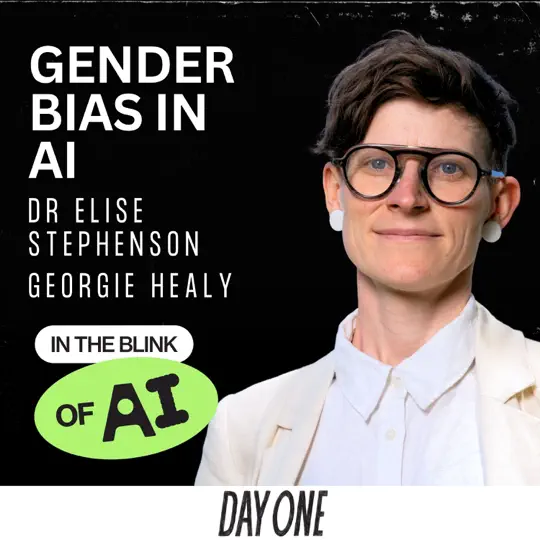
Podcast: IS AI Failing women? A reality check with dr Elise stephenson
Listen to In the Blink of AI podcast with Georgie Healy.
Artificial intelligence is reshaping everything from work to healthcare to the way we interact online, but it’s also exposing deep gender gaps that we can’t afford to ignore. At the eSafety Summit in Canberra, Georgie sits down with award-winning researcher and gender equality expert Dr Elise Stephenson for a live conversation on the uncomfortable truth behind AI’s gender problem.
Report: 2025 landmark study on gender equality in the global space sector
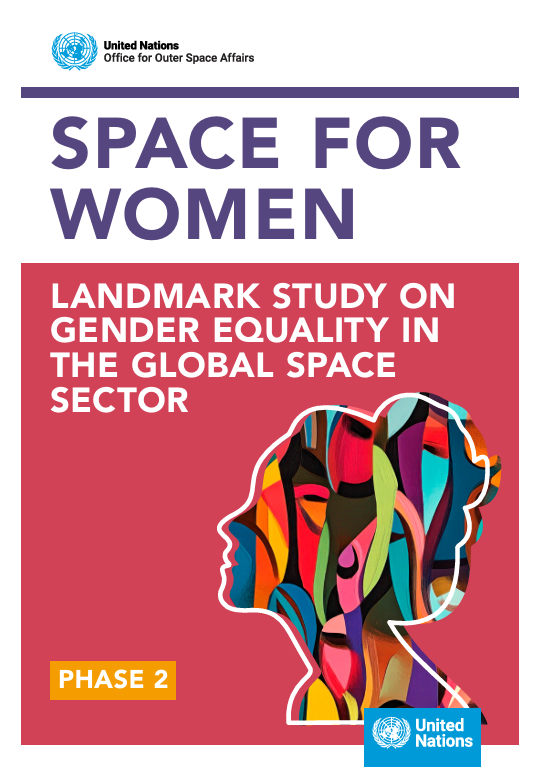
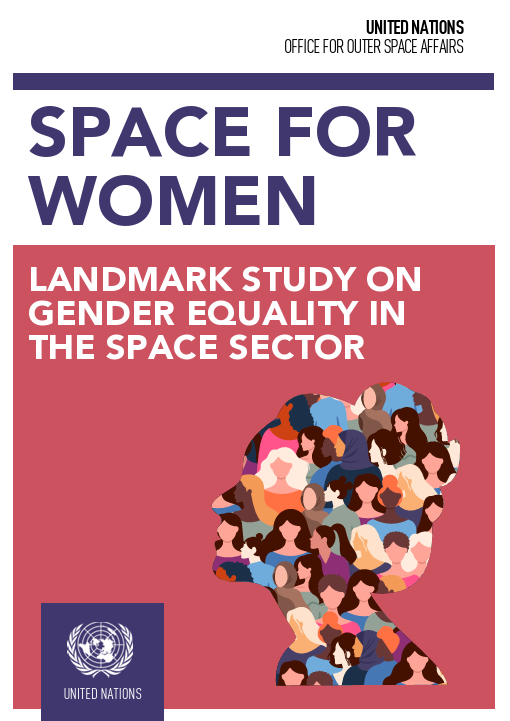
Dr Elise Stephenson led the UN Office for Outer Space Affair’s 2025 Space4Women Landmark Study on the Global Space Sector – the largest study to date on women’s experiences in the space sector, and a snapshot of New Space startups and SME’s data on gender representation and policy uptake.
Research article: the gendered epistemic injustices of generative ai
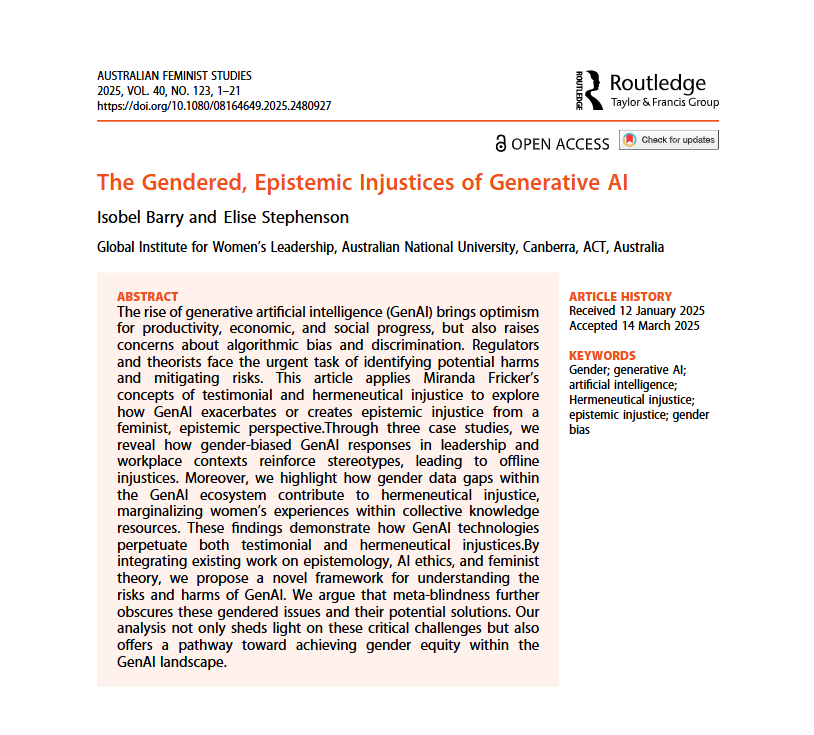
The rise of generative artificial intelligence (GenAI) brings optimism for productivity, economic, and social progress, but also raises concerns about algorithmic bias and discrimination. Regulatorsand theorists face the urgent task of identifying potential harmsand mitigating risks. This article applies Miranda Fricker’sconcepts of testimonial and hermeneutical injustice to explorehow GenAI exacerbates or creates epistemic injustice from afeminist, epistemic perspective.Through three case studies, wereveal how gender-biased GenAI responses in leadership andworkplace contexts reinforce stereotypes, leading to offline injustices. Read more here.
Policy Paper: Feminist Technology Diplomacy: An FFP Approach to Artificial Intelligence
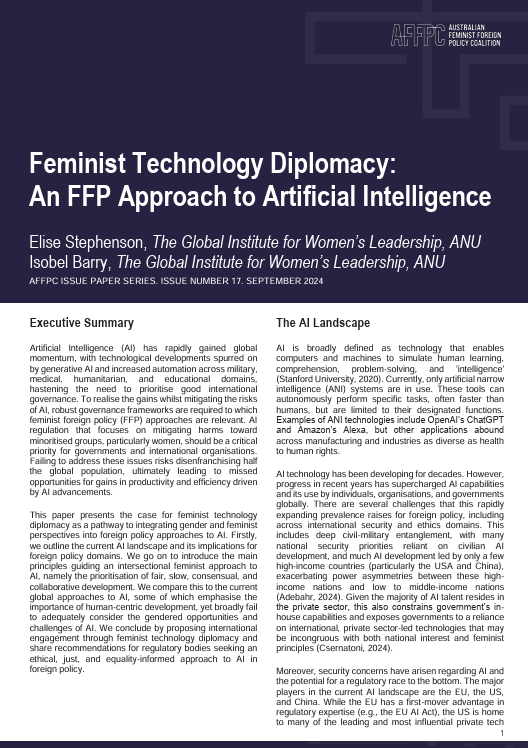
To realise the gains whilst mitigating the risks of AI, robust governance frameworks are required to which feminist foreign policy (FFP) approaches are relevant. AI regulation that focuses on mitigating harms toward minoritised groups, particularly women, should be a critical priority for governments and international organisations. Failing to address these issues risks disenfranchising half the global population, ultimately leading to missed opportunities for gains in productivity and efficiency driven by AI advancements. Read more about this policy paper at the International Women’s Development Agency (IWDA) Australian Feminist Foreign Policy Coalition.
Report: A FAIR GO FOR ALL: Intergenerational Justice Policy Survey
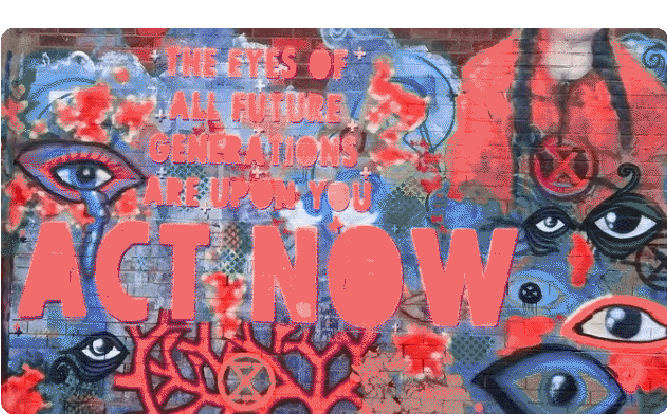
81 per cent of Australians agree our politicians generally think too short-term when making decisions, according to our new report.
Report: 2024 Landmark study on gender equality in the space sector
Dr Elise Stephenson led the UN Office for Outer Space Affair’s 2024 Space4Women Landmark Study on the Space Sector – the largest study to date on gender representation and policy uptake in public sector space agencies and institutions.